Fighting the good fight

Today, the day got the best of me. I felt no emotion in a situation where I probably should have. I know it was there before. But today? No dice.

Occasionally I attend self-care and self-help type presentations. Or I give them. Something I like to mention are the effects of mental load. Most people are familiar with Newton’s something or other law about pressure and load and force, etc. The same applies to humans. The mental load of caring for, disciplining, and explaining life to other humans is remarkably taxing on the mind.

For example, making a grocery list. First, come up with meal ideas. Then, write those down. Next, consider what ingredients to purchase for those meals. But, first, find out what ingredients are already on hand. Scratch out, rewrite, repeat. This is a smaller mental load than, for example, disciplining employees. It’s no wonder the Facebook guru dude only wears blue shirts and jeans. Less mental load!

Before any other parents or parenting partners get their feelings hurt (I do the laundry, I cook!), yes, typically, mothers carry the heaviest mental load. Maybe it’s by default, maybe it’s the natural order of life, I’m not a doctor of that stuff. What I can say is the stress of being responsible for child-related tasks is more of a motherly duty.

All this to make a point about mental load in the workplace, especially for those with supervisory roles, balancing employees’ needs with the mission’s needs. Some days I offer feedback to adults acting like children, and some days I escape the day unscathed, with most of my sanity still intact. And on the roughest days, no matter the dazed and confused look I carry for hours, the next day brings renewed joy and hope to fight the good fight.

Some people are caretakers. Some are takers. The mental load finds balance where it can.

_________________

I ask you –

Before this post, had you heard of mental load?

How often do you consider the load of mundane tasks?

Which are you: caretaker or taker.

(The post Fighting the good fight first appeared here at Running on Fumes.)

© 2025 Running on Fumes

Is It Not?

Getting this off my chest because I feel like somehow it’s a common misconception.

As this is a conversation I’ve had with a lot of people, it would seem there is much confusion on the topic of men, women, couples, etc. doing things to take care of themselves, as in anything from taking care of themselves physically (gym, working out, whatever that looks like to satisfy physical needs) and emotionally (mental health, counseling, strong friendships), etc.

Addressing physical needs from a male perspective (again, this is based on the conversations I’ve had with many different people so no, it’s not publishable research but it is first hand experience): men seem to appreciate when women do things to take care of themselves physically. Biologically, men are visual. They want to see whatever picture they’ve built in their minds. Here’s the problem: women want the same thing. This is not a solely male desire. There’s typically some form of physical attraction in a relationship; therefore, women want to know men are taking steps to work on themselves, too. If men expect women to do these things based on their need for a certain visual, but think women don’t want the same thing – you’re wrong. We do, too. Biology isn’t relegated to one sex or another. This whole concept of “letting yourself go” because you’re married or in a long term relationship is nonsense. Better yet, why would someone want to live that way? Don’t you want to be better to feel good about you? Get over yourself.

A pretty flower to lessen the sting of the truth.

Next, emotionally. It doesn’t matter what it looked like for your parents or grandparents or family tree going back decades. Mental health is important. And everyone deserves to have their needs being met by a competent person. If you think someone who is struggling with the things people struggle with can have their mental needs satisfied by their partner alone, then you’re wrong. Your partner is not your therapist. So go forward like an adult and seek therapy. Again, this is normal. Projecting your unresolved trauma and issues and all that other stuff will not result in a stable relationship. Get some help.

Now, we return to your regularly scheduled it’s all good, touchy feely stuff. But, for real, get it together.

—————————————-

I ask you –

Do you disagree? Why? Prove it.

Are you the visual or the emotional partner?

Tell me some tips to navigate this phenomenon.

(The post Is It Not? first appeared here at Running on Fumes.)

© 2023 Running on Fumes

Sans Photos

While I’m still cleaning out and proverbially unpacking 2022 in hopes of doing better, being better, in 2023, because there’s still a few days of the year – there’s still much to be done.

For example –

I thought once I submitted my final paper of the class, I was done. I was wrong. Now I’m disputing a grade because the rubric wasn’t completed. There’s a blank where a grade should be. A large portion of the grade! I understand mistakes happen but it seems to be one thing after another with this class. Can I just be done with it already? Not until that grade is fixed!

Working on ramping up staffing in the workplace. So many promises have been made – I’m determining what is feasible and what is not. Some things have been easy fixes. In fact, so easy I can’t understand why they weren’t done before. Nonetheless, others are very impactful and it’s tough having those conversations. Regaining trust among people who don’t know me or what I stand for is a huge task. It’s more than telling a group of people who rely on you that you’re honest, trustworthy, and have integrity; you must show them you are who you say you are. While facing your own frustrations. I find it even more difficult when I know previous leadership were doing the best they could. Balance will always elude me.

Recently I attended an “all call” for those who hold the title of Master Resiliency Trainer. Only 5 showed. Weird. My point here is deciding how to implement a regular resilience practice into the facilities and the squadron itself. Ideally, I’d like to have monthly training, but beyond the squadron it’s almost impossible. Quarterly would be good though. Lessons on mindfulness and gratefulness are trainer’s typical go-to’s, but the hard lessons are so valuable. I’ll find a way.

If you made it to the very end of this post, thank you! Thank you for reading, for commenting, for joining me these past years. I’m truly thankful for each one of my readers!

____________________________

I ask you –

Do you recap the previous year?

What is my chance of getting that grade changed? It best be 100!

Tell me what you have going on this week!

(The post Sans Photos first appeared here at Running on Fumes.)

© 2022 Running on Fumes

Resiliency Revolution

Occasionally I accept as a compliment what people say when it fact it isn’t. That’s a you problem! For example, someone in my office stated “You’re always doing something.” I saw them smile as the words exited their mouth so, naturally, I thought it was a good statement. Maybe it was, maybe it wasn’t. I have no idea. But it got me thinking – am I doing too much?

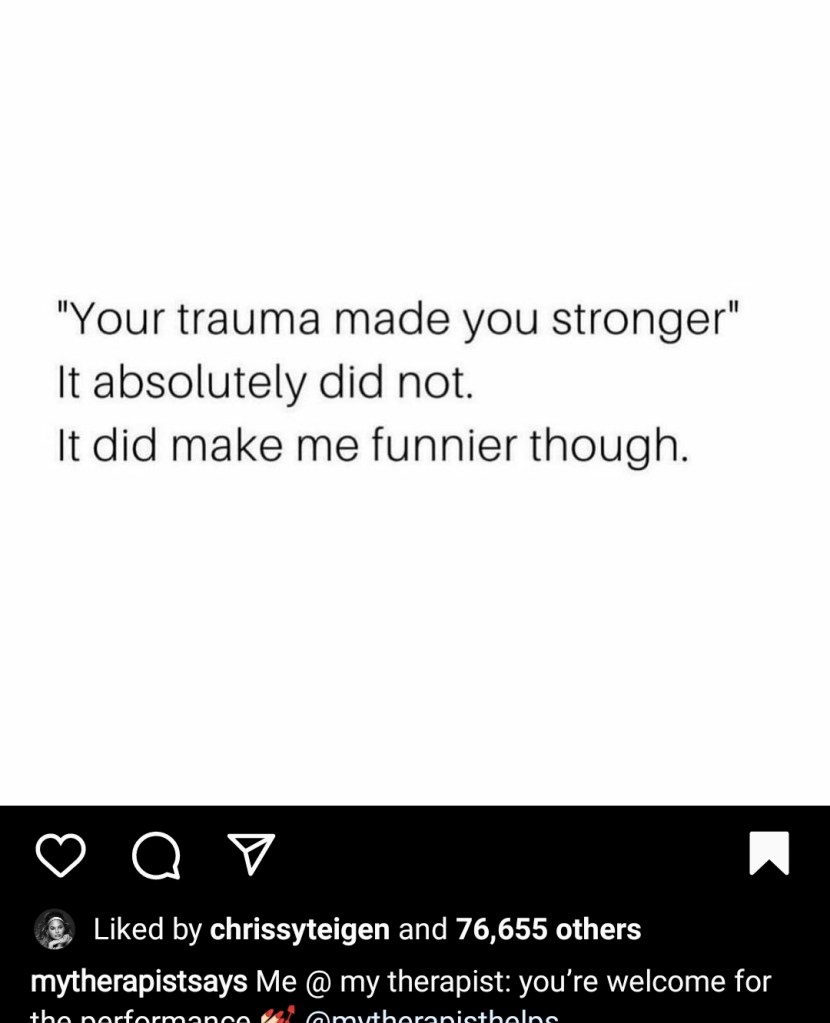
Credit: mytherapistsays via Instagram

My predominant belief is I should/like to give my time and effort to select things. In the Navy, we were encouraged to participate in everything. The problem here is you can’t give even 60% of yourself to 10 obligations. Hello, short stick. I chose (and often got dirty looks) for giving my time to 2-3 collateral duties. Those duties deserved my attention. Fast forward to the Air Force, the duties are called additional duties yet the volun-told status is still in effect. This is why… I take the initiative to cultivate and choose my own additional duties.

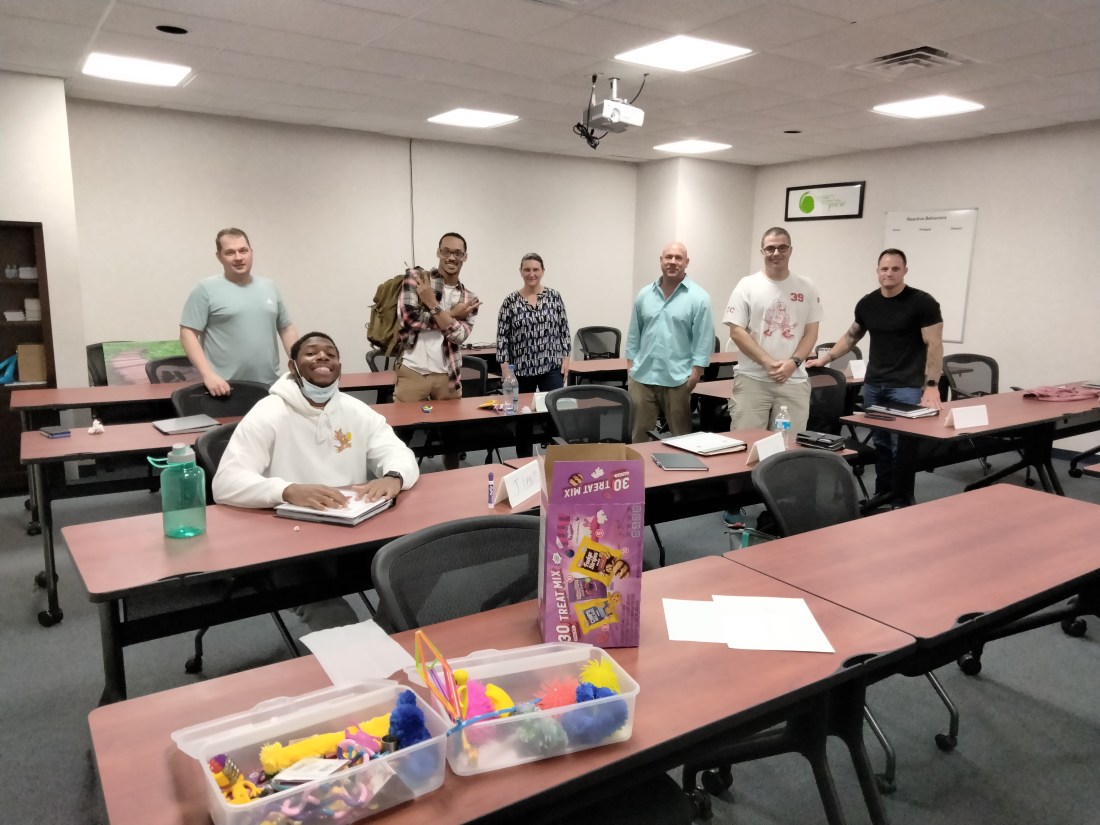
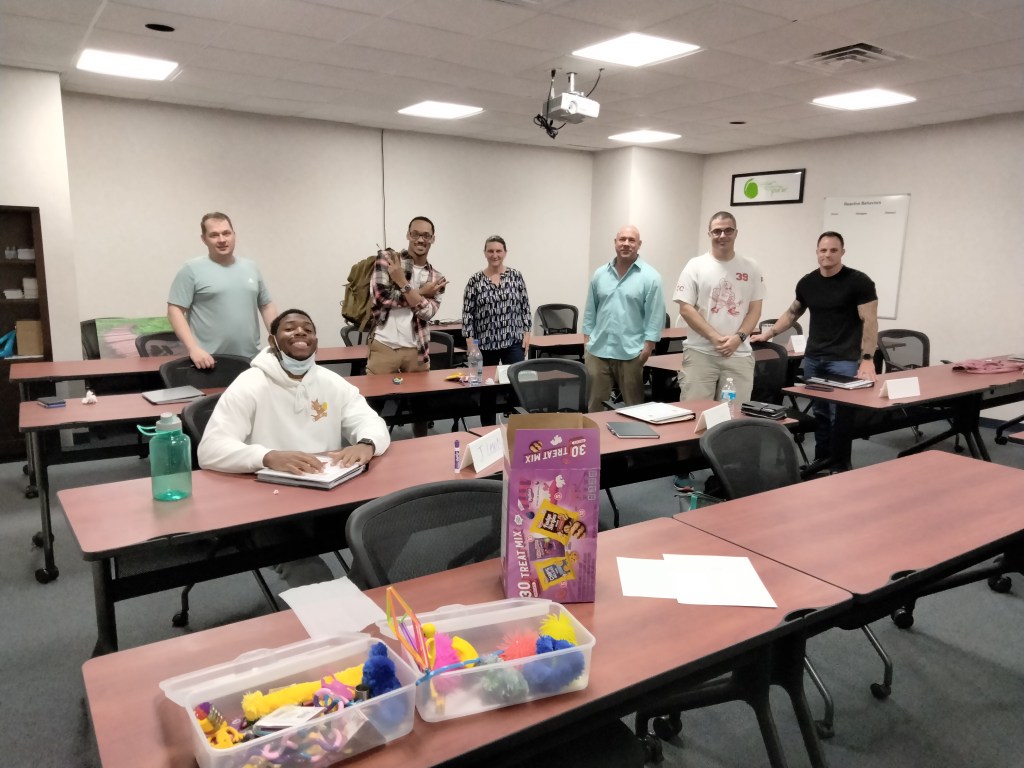
Introducing the Resilience Training Assistant (RTA). After a very involved two-day, interactive, emotional course, they felt I was qualified for certification. Yippee! I recognize resilience is a military buzzword; however, it is something I truly believe in because it can be used to reframe the culture of mental health stigma, as well as foster the conversations between military personnel both up and down the chain of command and within all branches. Yes, I know that’s a lot to ask. At the time of viewing the list of qualified personnel on base (nearly 40 people), I only recognized 2 of the names. TWO. Clearly there’s a problem because it means I didn’t know them from resiliency efforts, but from other duties.

Super incredible classmates!

The next hurdle is attending the Master Resilience Trainer (MRT) course at Maxwell AFB. Genuinely looking forward to a TDY. In the meantime, there’s a huge need to provide this curriculum to squadrons, groups, and all personnel. My vision is to ensure the word resiliency doesn’t go the way of other buzzwords, aka out of sight/out of mind. I want people to talk to each other when they’re hurting, when they’re struggling, when they need help. Billions of dollars a year are spent on (I’ll say it) completely useless things – why aren’t we spending money and time on changing culture instead? It costs nothing to empower others.

“If you’re self-aware enough to be self-deprecating, your IQ must be high!” – Will Lannon

We’re going to spark a revolution!

________________________

I ask you –

Have you ever heard of Resiliency Training?

What are some buzzwords in your profession?

Tell me about a time you participated in a culture-changing curriculum!