

I’m hesitant to flesh out this idea, to call people out by name, or to join the political game which surrounds this issue. But here I go.
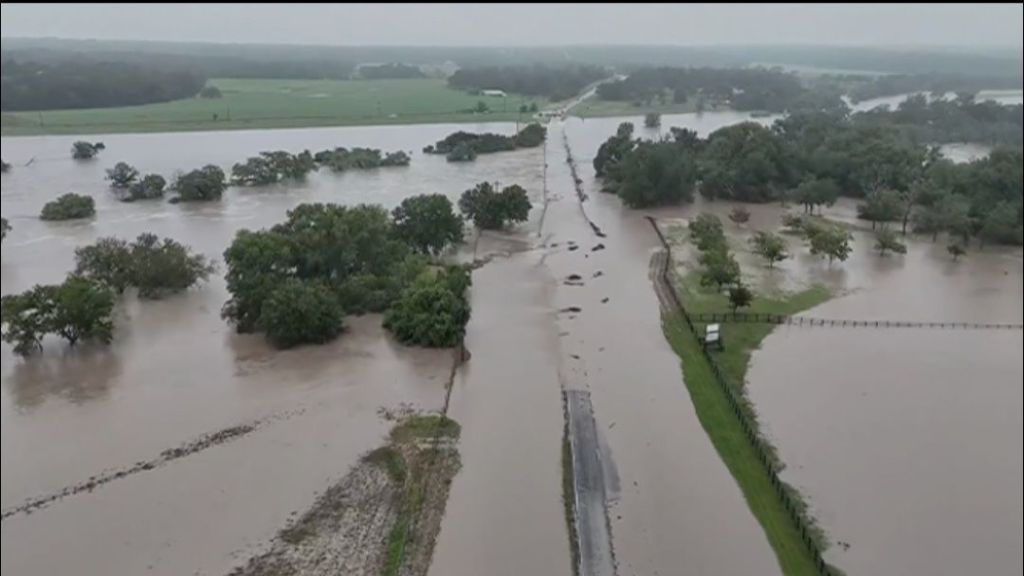
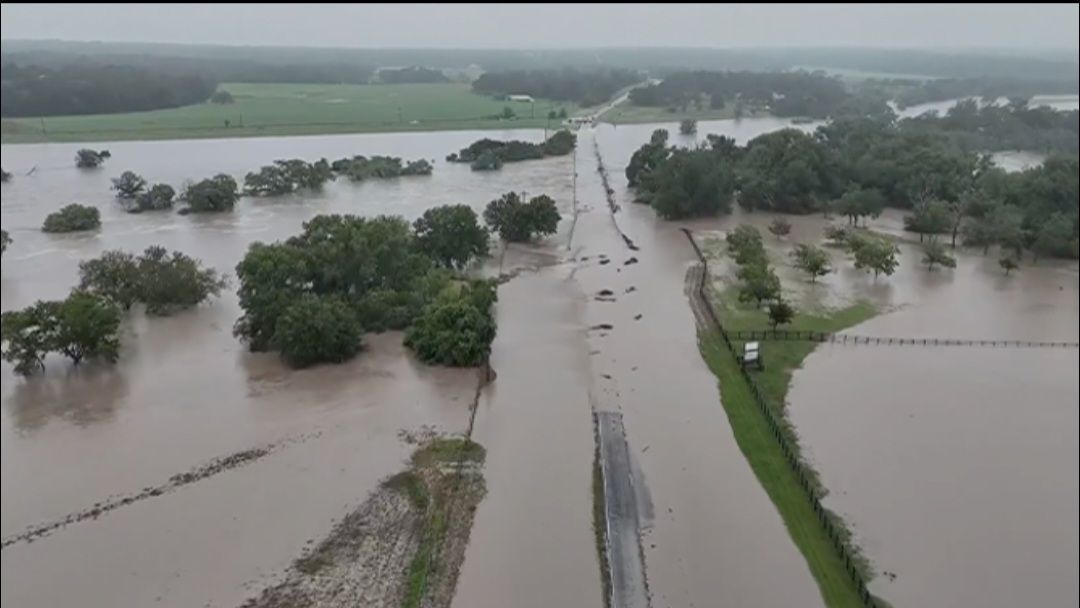
What happened in Kerr County, Texas, resulting in the death of dozens of innocent children and camp goers will be evaluated for years to come. My point of view originates from a benign news article indicating State Rep Virdell, (R) – Kerr County (one of 18 other representatives) voted against House Bill (HB) 13 in the recent TX legislative session which would have established a federal committee and grant program to help the state purchase early warning systems, namely outside warning systems like sirens, to prevent needless deaths along Texas river basins, namely the Guadalupe River, which often solely rely on NOAA radios and limited cell reception to inform the public of impending weather watches and warnings. This is a very long sentence to state many areas in need of outdoor warning systems do not have the system in place.
But why?
HB 13 was costly, apparently too costly to implement. I find this a little difficult to believe as Kerr County has a net position of $81.3 million. HB 13 stalled in the Senate Finance Committee, presumably due to its price tag, a hefty $500 million. Sure, even if all $81 million went toward the $500 million, there is quite a deficit. However, HB 13 proposed the roll out of grant money, but over the course of 10 years.
Did a warning system exist?
Simple answer: yes. But there are some significant limitations. The current system, only passed in 2020, utilized the free Integrated Public Alert and Warning System (IPAWS), as part of the CodeRed program which relies on White Pages data for mass emergency pre-recorded emergency telephone messages. Obviously, the reliance on the data source means there could be countless numbers not included in the program. Can you tell me at this moment if your number is included in the White Pages? Exactly.
The Upper Guadalupe River Authority (UGRA) was aware of the need to incorporate a flood warning system for Kerr County. In 2018, the UGRA applied for a $1 million grant. The grant was not received. Then, in 2020, IPAWS was implemented. At some point, UGRA was invited to apply for a grant for a county wide flood warning system. However, the UGRA declined to apply due to the grant match of 5%.
Interestingly, State Rep Virdell is quoted by the Texas Tribune stating “…even if you had a warning system there, this came in so fast and early in the morning it’s very unlikely the warning system would have had much effect.”
I have some issues with this statement. 1. A statement like that will probably not get you reelected. You see, the words (paraphrased) unlikely it would have had much effect is not comforting to your constituents. If it had saved one life, one family who didn’t receive a death notice and is now planning a funeral, how do you quantify ‘effect’? If an early warning system saves one life, then it has done its job. 2. His answers, he “guessed”, had to do with how much funding was tied to HB 13. This is an unclear statement, and probably taken out of context, as we don’t know if he is referring to the grant portion or the overall cost. Maybe he is referencing how HB 13 would create a new government council and some constituents are opposed to this type of measure. 3. Did I mention State Rep Virdell represents Kerr County, the very county where this disaster happened? Granted, he was one of eighteen who voted no on HB 13. Unfortunately, as State Rep Virdell is a freshman representative, elected in Nov 2024, I fear this spells the end of his career in 2027. Ask me again in a few years. I bet he’s regretting his decision to vote against HB 13.
Anything else?
Kerr County Judge Rob Kelly, re-elected in 2022, acknowledged the lack of a warning system in the Guadalupe River basin despite the ongoing threat of dangerous floods. In a separate interview, Kelly stated taxpayers will not pay for the early warning system. Now, this is why you read RoF. As an academic scholar, I (and you, too) have access to public records which indicate what city councilors and other city representatives discuss and vote for or against. Additionally, these records often include public comments. It is time-consuming to navigate the many public records surrounding early warning systems. But I have nothing but time.
What do the records tell us?
More to come, in part 2. As I said, it is a very lengthy process to analyze all public records, especially as im seeking information and opinions of local citizens.
What’s the point?
Grief isn’t logical. Grief makes no sense. It’s human nature to want answers, to place blame. So when the proverbial waters recede, people, families, grievers will demand answers. Sometimes it is for money – funerals and recovery efforts are not cheap. Often, it is for validation and then closure. What went wrong and how do we prevent it? I’ve learned the probability of anyone accepting the reason “it was just their turn” goes well 0% of the time. Some will offer religious platitudes, but it remains most, if not all, will seek the source of failure. People are angry. People are hurt. And people do what people do.
Last but never least, I do have a vested interest in the outcome of this tragedy as I lost a friend and co-worker. She, her young daughter, and her in-laws were swept from their cabin while her husband somehow managed to hang on to a tree. He is the sole survivor in their family. As an active duty servicemember, and now a widow, he (and every person impacted) are suffering. Although it’s been months, the decisions and trauma revolving around the circumstances are still being debated. They are owed answers. And we (Texas) can do better.
_________________
I ask you –
No questions or comments.
(The post Stormy Opinions first appeared here at Running on Fumes.)
© 2025 Running on Fumes
 Running on Fumes
You must be logged in to post a comment.